
Google Ads Strategy For Business: How to Set Up, Optimize, and Succeed In 2026
Introduction
Building a winning Google Ads strategy from scratch may feel overwhelming, especially with so many campaign types, settings, and metrics to monitor. The good news? With the right approach, you can turn Google Ads into one of your most powerful growth channels.
In this guide, you’ll learn how to create a Google Ads marketing strategy that delivers measurable results—whether you’re running your very first campaign or looking to improve Google Ads performance overall.
1.Understand How Google Ads Works
Before launching campaigns, it’s important to understand the basics:
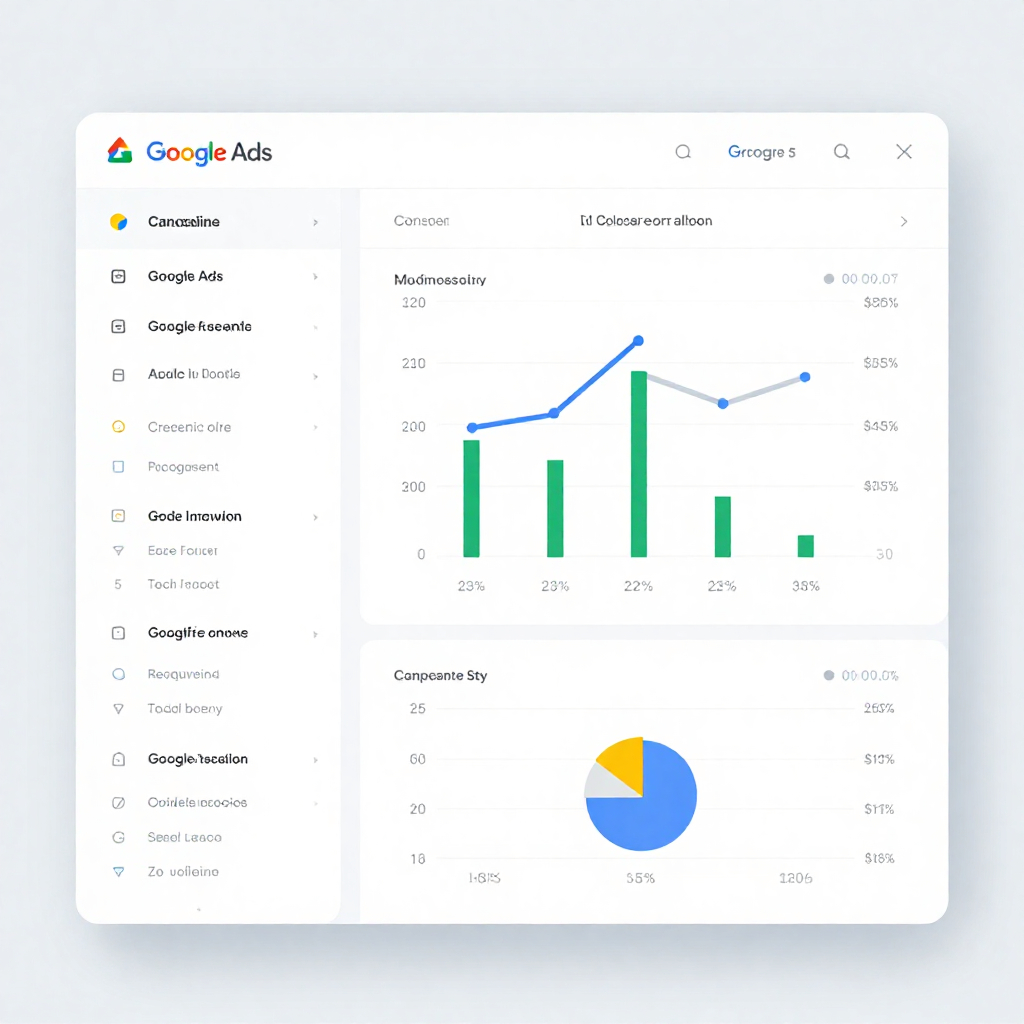
Google Ads runs on an auction system where advertisers bid on keywords. Your visibility depends on three key factors:
- Bid amount
- Quality Score (relevance, landing page experience, and expected click-through rate)
- Ad Rank
While many businesses debate Google Ads vs SEO, both channels complement one another—SEO provides long-term organic traffic, while Google Ads gives immediate visibility and leads.
2.Define Your Advertising Goals
A strong Google Ads strategy begins by defining what success looks like. Common goals include:
- Lead generation
- Ecommerce sales
- Brand awareness
- Website traffic
- App installs
Your goals determine campaign type, bidding strategy, and your overall PPC strategy for Google Ads.
3.Define Your Advertising Goals
Keyword research shapes your entire campaign. Focus on a mix of:
✔ High-intent keywords
(Search terms showing users are ready to take action)
✔ Long-tail keywords
(Lower competition, more specific)
✔ Branded and competitor keywords
(For capturing users already in comparison mode)
This step directly impacts your Google Ads cost, so choose keywords that align with your budget and goals.
4. Create Targeted Ad Groups and Compelling Ads
A well-structured account improves performance and reduces unnecessary spending.
Best practices for ad groups include:
- Keep each ad group tightly themed
- Use 2–3 variations of Responsive Search Ads
- Match ads to user intent
- Add strong calls to action
Following Google Ads best practices ensures each ad speaks directly to your audience.
5. Improve Your Landing Page Experience
Your ad can attract a click—but only your landing page can convert.
What a high-converting landing page needs:
- Fast loading speed
- Clear headline
- Strong value proposition
- Call-to-action above the fold
- Trust elements (reviews, guarantees, awards)
A great landing page can significantly improve Google Ads performance without increasing budget.
6. Set Up Google Ads Conversion Tracking (Critical Step!)
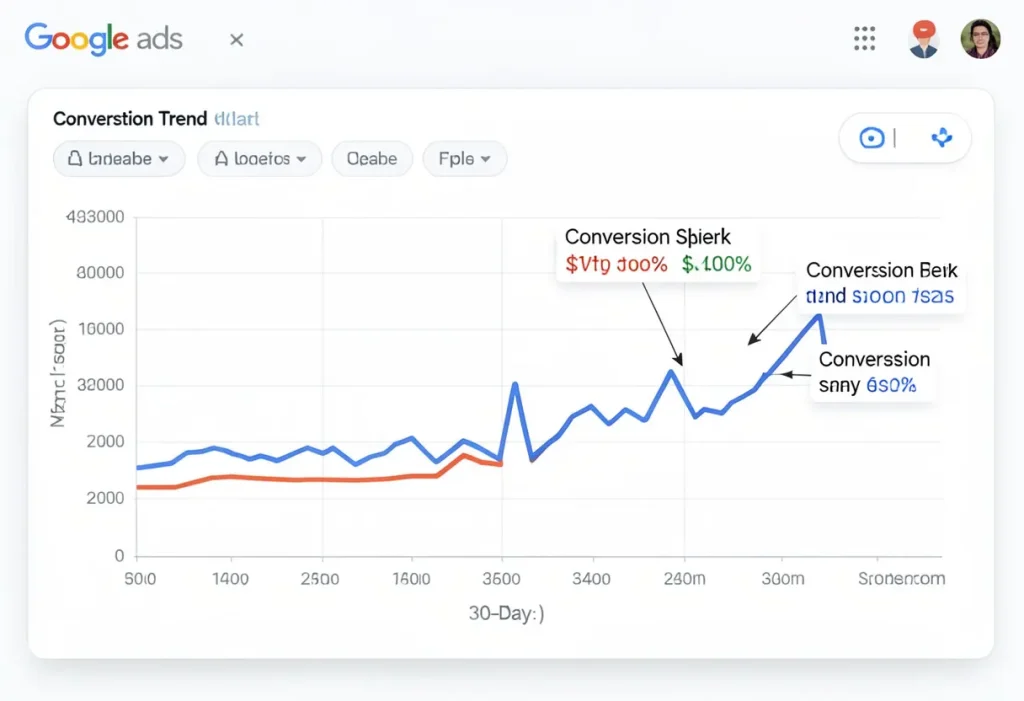
Without Google Ads conversion tracking, you’re flying blind.
Tracking helps you understand:
- Which keywords bring leads or sales
- Your cost per conversion
- ROAS (return on ad spend)
- Which campaigns need optimization
Install conversion tracking via Google Tag Manager, GA4, or the native Google Ads tag.
7. Optimize and Reduce Google Ads Cost
Optimization is where your campaigns begin to shine.
Smart optimization tips:
- Pause underperforming keywords
- Adjust bids based on device or location
- Add negative keywords to reduce waste
- Test different ad variations
- Improve Quality Score
These Google Ads optimization tips help lower costs while boosting results.
8. Build a Long-Term Google Ads Marketing Strategy
A winning strategy isn’t built overnight—it evolves with data.
For long-term success:
- Review performance weekly
- Scale winning campaigns
- Use automated bidding once you have consistent data
- Expand into Display, Video, or Performance Max campaigns
- Combine insights from both Google Ads vs SEO analytics
A strong Google Ads campaign strategy is always adjusting, improving, and expanding.
Conclusion
Building a winning Google Ads strategy from scratch becomes much easier when you follow a structured approach. Start with clear goals, set up accurate tracking, write compelling ads, optimize continuously, and treat Google Ads as part of a broader PPC marketing system.
With the right strategy, Google Ads can deliver predictable growth, scalable leads, and powerful insights into customer behavior.
FAQ
Start simple! First, decide what you want—more calls, sales, or website visits. Then choose the right keywords, write ads that match what people are searching for, and turn on conversion tracking so you know what’s working. After that, keep tweaking your ads based on the results.
You can start seeing activity within a few days, but real results usually show up after 2–4 weeks. Google needs a bit of time to learn who your ideal customers are and show your ads to the right people
Not at all! You can start with a small daily budget—many businesses begin with $10 to $20 a day. What matters more is having a smart strategy, not a huge budget.
The cost depends on how many businesses are competing for the same keywords, how relevant your ads are, and your bidding strategy. If your ads and landing pages are high-quality, Google often charges you less per click.
Keep experimenting! Try new keywords, update your ads, improve your landing page, and remove keywords that aren’t bringing results. Small changes every week can lead to big improvements in the long run.